Tsunami Survival Game: 5 Minutes to the First Wave. Where Do You Run?
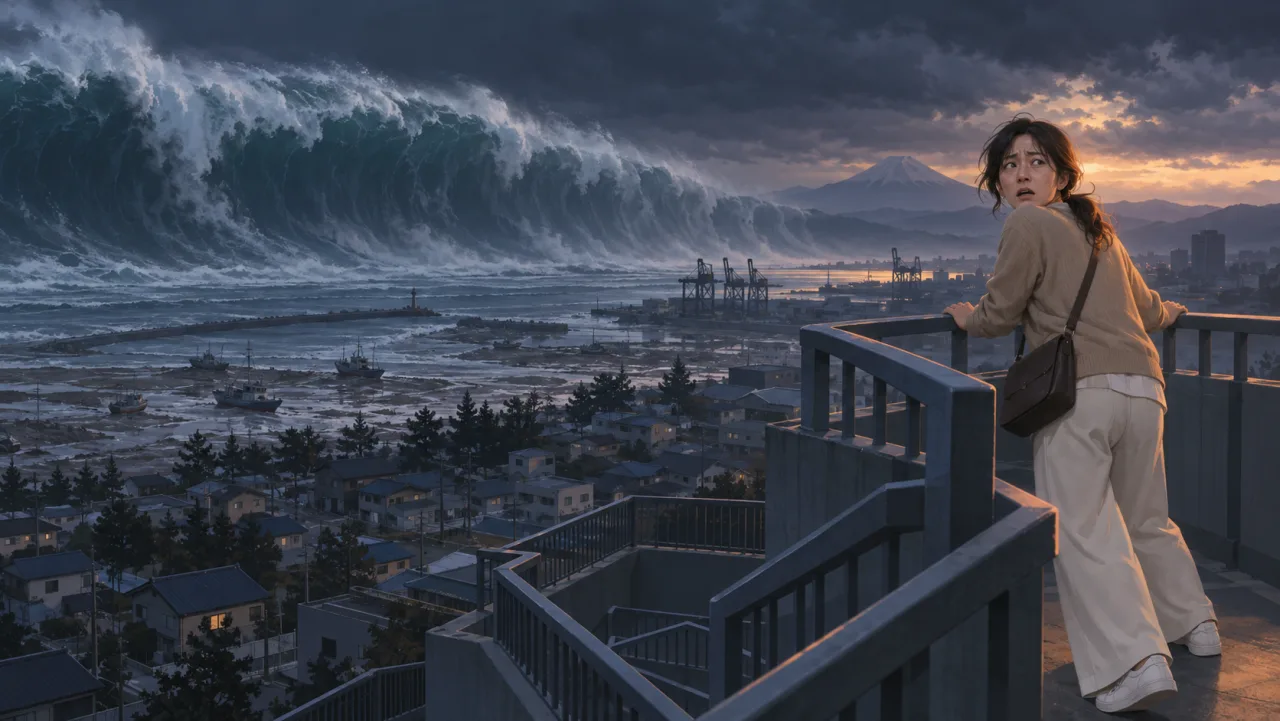
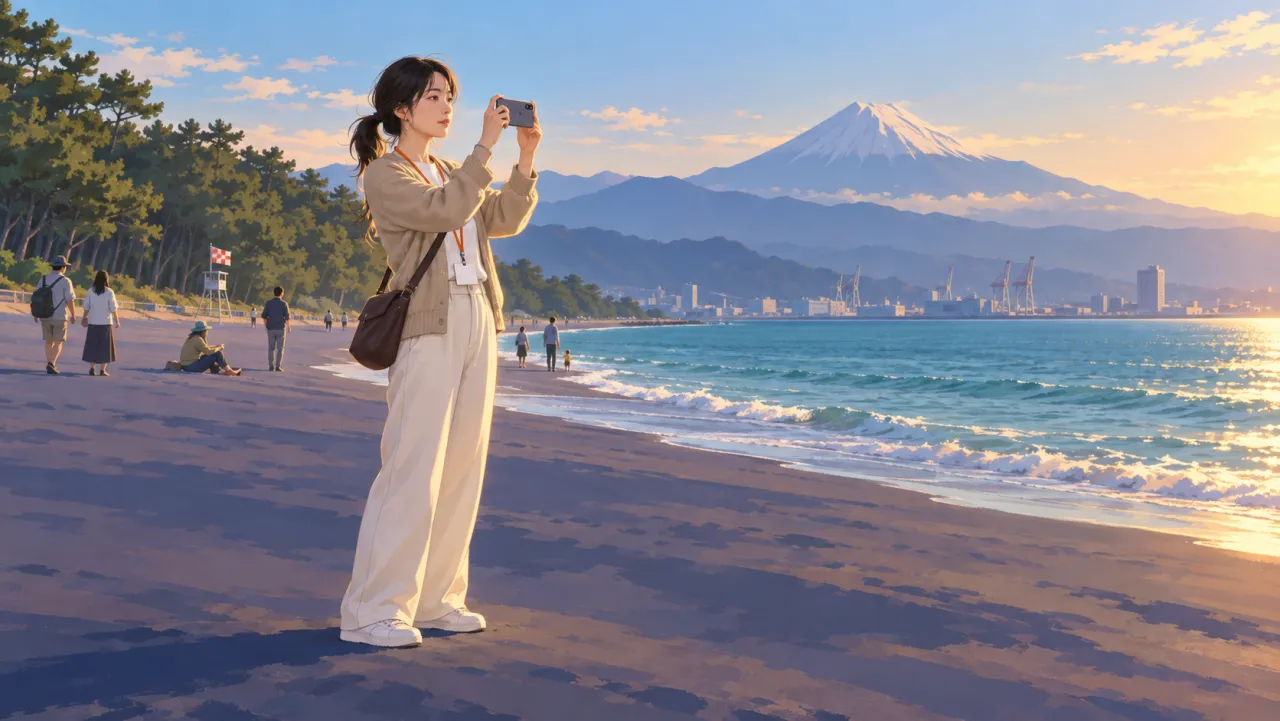
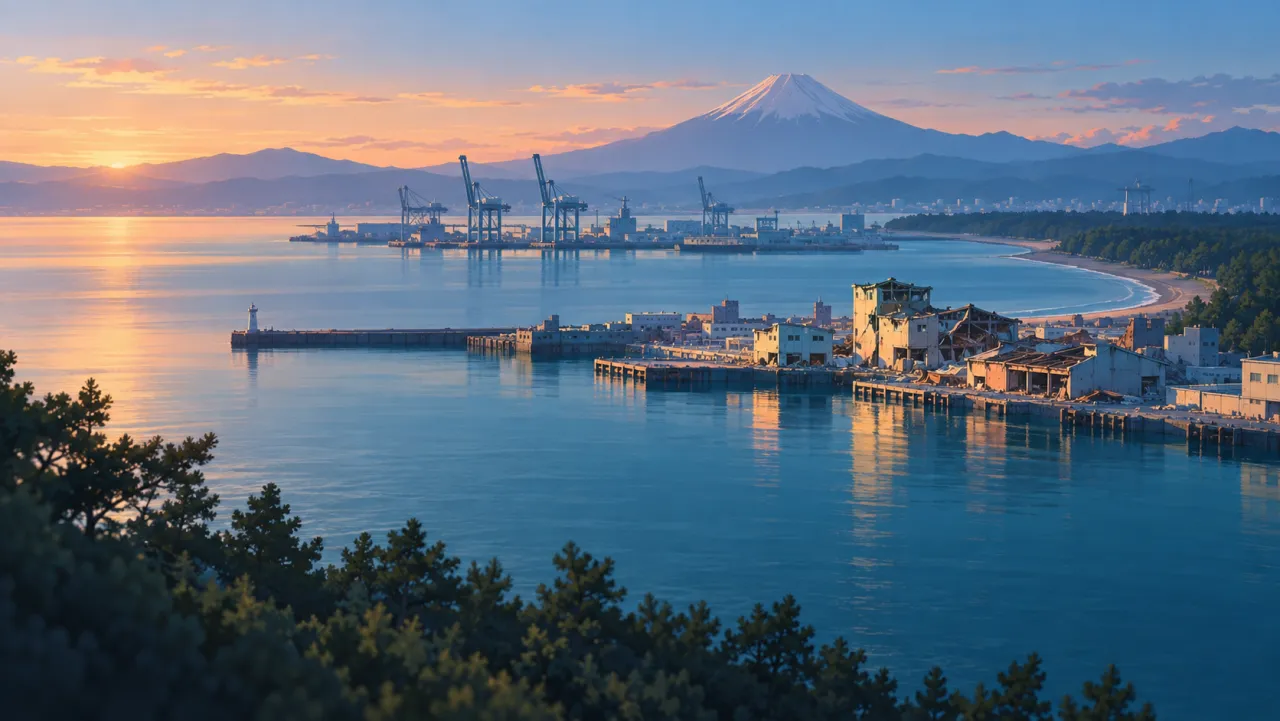
▶ PLAY FREE NOWNo download · Phone or PC · 3–5 minutes per run · 10 languagesShizuoka Tsunami: 5 Minutes to the First Wave is a free, choice-based tsunami survival game you play right in your browser. It is 3:12 p.m. on a Saturday in October. Your team from Seoul is on a reward trip at Miho Beach in Shimizu, Shizuoka City, with Mount Fuji rising behind the pine grove. Then the ground starts to roll, long and slow, for more than a minute. You can't read the Japanese signs or understand the loudspeaker announcements, and the first wave is about five minutes away. Do you wait for the warning, or run for higher ground now?
The earthquake, date, characters, hotel and shops are all fictional. The places (the Miho Peninsula, Shimizu Port) and Japan's tsunami evacuation buildings and towers are real, and the idea that the first wave arrives within minutes comes from Shizuoka Prefecture's official earthquake damage estimate. The game does not recreate the 2011 Great East Japan Earthquake.
How the tsunami simulator works
A “First wave in m:ss” bar runs across the top of the screen, and the clock only stops when you have to decide (⏱ running / ⏸ paused). Every right answer is real guidance from the Japan Meteorological Agency (JMA), Japan's Cabinet Office, Shizuoka Prefecture and City, and Korea's safety ministries. Every wrong answer is a mistake people really make.
- The shaking (about 70 seconds): crouch by a pillar, pull a coworker clear, or film it?
- Before the warning: the shaking has stopped, but there's no alert yet. Run now, check your phone, or climb the seawall to look at the sea? And what about the passport in your room?
- On the move: the 4th floor of your hotel (an evacuation building), the tsunami evacuation tower, the shopping arcade's rooftop car park, the bridge inland, the hill in the distance, the rental car… Blocked streets and how full the tower is change every run.
- The first wave: a roar from the sea, then about 12 seconds. What do you hold on to before the water hits?
- Golden time: the biggest wave comes 12–16 minutes after the quake. Climb one more floor, or help someone still below?
- A night up high: a viral video says “the warning's been lifted,” aftershocks hit, the wind is cold on wet clothes, your battery drains, Mom keeps texting. The warning isn't lifted until the next morning.
- Morning: you walk through the mud to the official evacuation shelter and register.
The biggest number on the result screen is your height margin: the smallest gap between where you were standing and how high the water reached there. Below it are the rules you followed and the mistakes you made. Tap any of them to see why, with the source behind it.
3- to 8-second timed cards
The heart of the game is screen shake, vibration and time pressure. At every critical moment (the main shock, the instant the shaking stops, the city loudspeaker announcement, the sea suddenly pulling back, your boss pulling out his car keys, a family with a wheelchair stuck at the foot of the tower stairs, the big wave rolling in) a card pops up with just 3 to 8 seconds to choose. Miss it and you “freeze,” losing precious time. In real life, too, a few seconds of hesitation can cost you the height you need.
Story mode and random mode
Story mode is the base scenario: the first wave comes exactly five minutes after the quake. Random mode changes the first-wave time (4–6 minutes), the height of the big wave at the shore (6–11 m), where you start (Miho Beach, the hotel lobby or the harbor shopping street), which road is blocked by a collapsed block wall, and when the evacuation tower fills up, so the safest route is different every time. Each run also gives you one random perk that unlocks its own choices. The perk unique to this episode is the travel agency tour guide: you understand the Japanese announcements instantly, but you're always torn about whether to wait until the whole group is together.
- 🩺 Company clinic nurseTakes less injury from spray and being swept · treats wet people and wounds properly
- 🔧 Facilities technicianKnows the service routes and climbs stairs fast · can open the locked roof exit
- 🦺 Safety Team Assistant ManagerHas run the company evacuation drills · snatches the team lead’s car keys in one go
- 📦 General affairs asst. managerMade everyone install Safety tips before the trip · holds the passports, so no trip back to the room
- ☕ In-house café baristaStarts with extra water and snacks · calms people with warm sugar water from a thermos
- 🔦 Security guardKeeps order on the tower stairs to open the way · finds room even on a packed deck
- 💻 IT developerReads Japanese bulletins instantly with photo translation · phone battery lasts to the end
- 📢 PR team stafferWhen rumors spread, posts only the weather agency screens to the group chat
- 🛋️ Jobless tag-along on a spare seatNo luggage, so no trip back to the room · lines people up with 3 years of convenience-store experience
- 🚴 Working-holiday delivery rider in ShizuokaHalf understands Japanese broadcasts · sprints through alley shortcuts
- 🧹 The building custodianGrabs rain ponchos and towels from the hotel cleaning cart first · quickly wraps up wet bodies
Four coworkers and their trust hearts
Your travel companions start in different places each run. Team Lead Park just got out of the open-air bath and wants to drive the rental car away (“Japanese buildings are earthquake-proof”). Jiwoo, the new hire, is taking photos on the beach with big headphones on and can't hear the loudspeakers. Manager Do is picking out a gift for her daughter at the harbor fish market. Seo-jun, the intern, speaks Japanese but also believes everything he sees in short videos. Your choices move each person's trust hearts up or down. With high trust, Seo-jun translates the broadcasts accurately and Manager Do wraps you in a foil blanket at night. With low trust, rumors like “They say it's only 3 m, the 2nd floor is fine” come back to you. The result screen shows what happened to each of them.
Three hidden missions
Every run secretly picks three hidden missions out of twelve: get Jiwoo to high ground, take the car keys from Team Lead Park, bring Manager Do and an injured old man up before the big wave, leave without going back for your bags or passport, start moving before the loudspeaker warning, help the wheelchair family on the tower stairs, never come down until the warning is lifted, report that you're safe to the consular call center, find an evacuation building by its green pictogram sign, and more. Depending on how many you complete, you get a title from “Lone Survivor” to “Nobody Left Behind.”
12 survivor types and 12 ways to die
How you survived decides your survivor type. Compare yours with your friends.
 High, Not Far TypeYou picked the nearest high place and didn't come down until the warning was lifted.
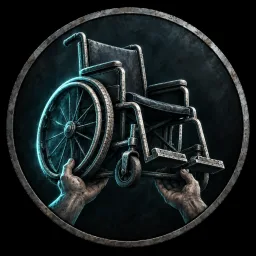 Hands on the WheelchairYou didn't pass by the family stuck at the foot of the tower stairs.
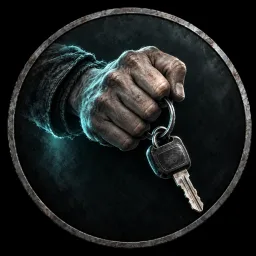 The One Who Took the KeysYou stopped your boss's rental car. The car washed away; you both lived.
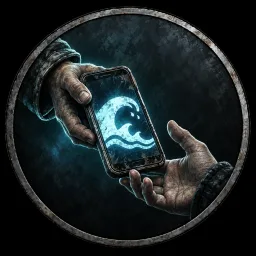 Safety tips EvangelistYou installed it on the phone next to you too. The language barrier was a matter of preparation.
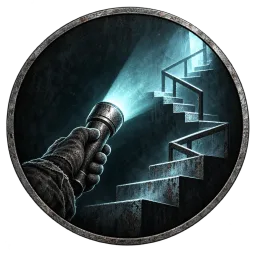 Tower Stairway Marshal"Single file! Wheelchair first!" Once the stairs were organized, everyone climbed fast.
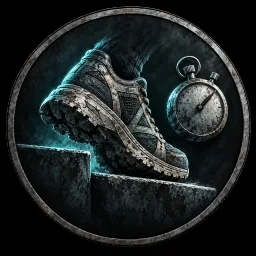 Faster Than the WarningYou were already on the stairs before the broadcast started.
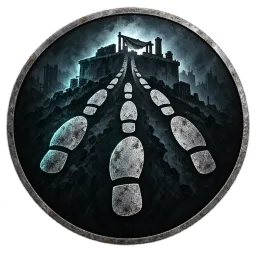 Run First, Meet Up TopEveryone to high ground on their own first. Then meet again up top.
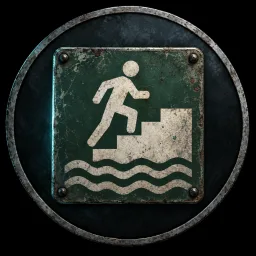 Sign DecoderYou couldn't read the kanji, but you read the green pictogram sign.
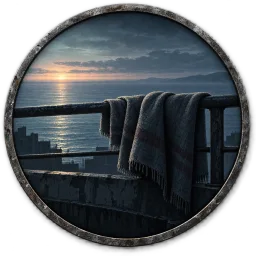 Calm on the RooftopYou watched the night sea from the highest point.
 The Traveler Who Left It AllA passport can be reissued. A life can't.
 Lasted the NightYou watched the later wave from above. Even at "It's over," you didn't go down.
 The lucky-break survivorFull of mistakes, but you survived. Will you be lucky next time too?
And the mistakes that cost real lives in real tsunamis become the death types.
 Stroller on the Exposed SeabedThe drained seabed was fascinating. It was the sound of the wave drawing breath.
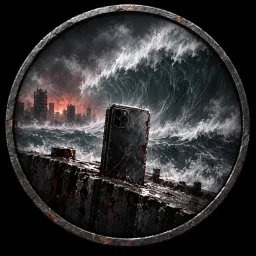 Seawall SpectatorRunning after you've seen it is too late.
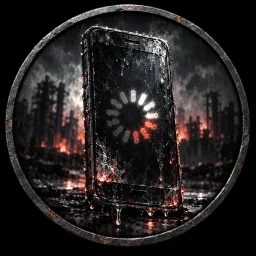 Waited for the WarningThe warning came after 3 minutes, and the wave was right behind it. Those few minutes of waiting would have gotten you up high.
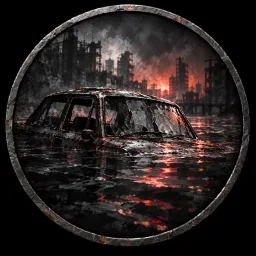 Rental Car GridlockAll the time went into a car stuck by the port. Walking from the start, you'd have made it.
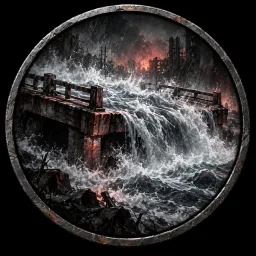 Bridge ShortcutThe water came up the bay.
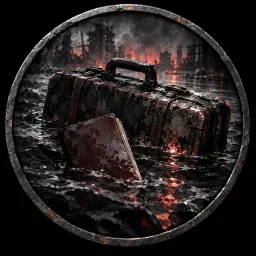 Went Back for the PassportThe passport could have been reissued.
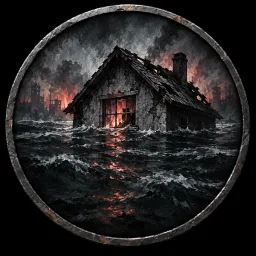 "The 2nd Floor's Enough""It's 3m, the 2nd floor's fine." The rumored height was wrong.
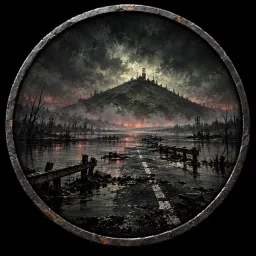 Ran for the Distant HillThe hill was in sight, but far. A nearby building was right next to you.
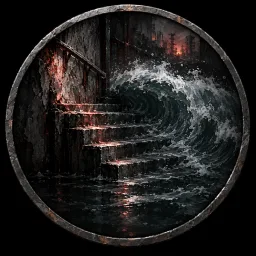 Heading Back After the First Wave"They say it's over." The next wave was bigger.
 The Leader Counting HeadsYou waited for everyone. The wave didn't wait.
 Beer in the Room"Japan's buildings are quake-proof." The building held. The 2nd floor flooded.
 The incredibly unlucky oneYou did almost everything right. The water was just a little higher.
10 tips to survive the game (and a real tsunami)
- Drop and protect your head while it shakes. Stay away from windows, vending machines and block walls.
- Don't wait for the warning. If you feel strong or long, slow shaking near the coast, move the moment it stops. Warnings aim to go out about 3 minutes after the quake, and on this coast the first wave can arrive just as fast.
- Go high, not far. That hill you can see is tens of minutes away on foot. Climb the nearest evacuation building or tower.
- At least the floor shown on the sign, and as high as you can. If the water keeps rising, go up one more floor.
- Your life before your luggage. A passport can be replaced.
- Walk, don't drive. The rental car gets stuck in harbor traffic, and 50 cm of water can float it.
- Stay away from bridges and rivers. A tsunami rushes up bays and rivers and gets higher.
- Never go down to a sea that has pulled back, and never stop to watch the wave.
- Tendenko: everyone to high ground on their own. If everyone waits for everyone, everyone is late. Meet up at the top.
- Don't come down until the warning is lifted. Later waves can be bigger. Check “it's over” rumors against official sources.
Want the real-world version with sources? Read what to do in a tsunami.
The Survival series and sharing your result
This game is one episode of a survival series (살아남기 시리즈 in Korean) that lets you practice real disaster guidance through a few minutes of choices. When the run ends, type your name and share your result card. Your friends see exactly where you ran and which mistakes you made, then they can try it themselves.
FAQ
Is the tsunami game free?
Yes. It's a completely free browser game with no payments and nothing to install. It works on phones, tablets and PCs.
How long does one run take?
Usually 3 to 5 minutes. From the quake to the biggest wave it plays almost in real time, and the night on high ground goes by quickly.
Is the game realistic?
Heights and distances are simplified game values, but the timeline (a warning around 3 minutes, a first wave within minutes, the biggest wave later) and every piece of advice come from public sources such as JMA's tsunami safety guidance, Japan's Cabinet Office, Shizuoka Prefecture's 4th earthquake damage estimate, Shizuoka City's plans and Korea's national disaster safety portal.
Is it based on a real earthquake?
No. It's a fictional scenario based on official information. The earthquake, date, characters, hotel and shops are invented, and it does not recreate the 2011 Great East Japan Earthquake. It is not a damage forecast or official guidance.
What is the ‘height margin’ on the result screen?
It's the smallest gap between how high you were standing and how high the water reached at that spot when a wave arrived. Above +2 m means you got away comfortably; below 0 means you were swept away. If the water never reached you, it shows “Water didn't reach.”
Why not run to the distant hill or the school shelter?
On a coast where the first wave comes within minutes, even a hill you can see can take tens of minutes on foot. The designated shelter (a school) is where you stay after the disaster. Right now, the answer is to climb the nearest tsunami evacuation building or tower: go high, not far.
What languages is it in?
Korean, English, Japanese, Chinese (Traditional and Simplified), Vietnamese, French, Thai, Spanish and German. It switches automatically to your browser language.
Can I play on my phone?
Yes. It's built for a vertical phone screen, with rumbling sound and vibration. Headphones are recommended.